Why Stress Shows on Your Face – and What It Does to Your Skin

Many people notice that their skin suddenly changes during stressful phases of life. The skin may look tired, breakouts appear more frequently, redness becomes more visible or dark circles deepen. These changes often seem to happen overnight.

From a dermatological perspective, however, skin rarely changes suddenly. What you see on the surface is usually the result of processes that have been building for some time. The skin is highly responsive to signals from the body. As the largest organ of the body, it reflects internal balance – or imbalance – more clearly than many people realize.


Stress hormones and the skin

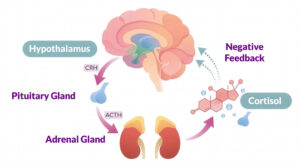
Diagram of stress hormones showing hypothalamus, pituitary gland, adrenal glands, and cortisol affecting the skin

When the body experiences stress, it activates the hypothalamic–pituitary–adrenal axis. One of the main hormones released in this process is cortisol. In short bursts cortisol is helpful and necessary. But when stress becomes chronic, persistently elevated cortisol levels begin to affect many systems in the body – including the skin.

Barrier repair slows down, inflammatory pathways become more active and collagen breakdown accelerates. Over time this can lead to dullness, increased sensitivity and premature signs of skin aging. You may simply notice that your skin suddenly feels less resilient than before.


Why stress triggers breakouts and inflammatory skin conditions

One of the most visible effects of stress on the skin is inflammation. Elevated cortisol levels influence immune signaling and increase the release of inflammatory mediators. This is why many inflammatory skin conditions worsen during stressful periods.

Acne may flare during exam periods or demanding work phases. Rosacea can become more active, and inflammatory dermatitis may suddenly appear even in people whose skin was previously stable.

Perioral dermatitis is another condition we frequently observe during stressful periods. The skin around the mouth becomes red, irritated and covered with small inflammatory papules. Stress, together with barrier disruption or excessive skincare routines, can trigger or aggravate this condition. Stress does not directly cause these diseases, but it amplifies the inflammatory pathways that drive them.


Stress weakens the skin barrier

The epidermal barrier protects the body from environmental irritants, allergens and microorganisms. Under chronic stress, the skin produces fewer structural lipids such as ceramides, which are essential for maintaining barrier stability.

When the barrier becomes compromised, the skin loses moisture more easily and becomes more reactive. You may notice that the skin suddenly feels dry, sensitive or easily irritated. Products that you have used for years may suddenly start to sting or cause redness.

This situation is often mistaken for a new allergy. In reality it is frequently a sign that the skin barrier has become unstable and temporarily cannot tolerate the same level of stimulation as before.


When skincare suddenly stops working

Dermatologists often see patients who are confused because their usual skincare routine suddenly causes irritation. A cleanser, serum or cream that worked perfectly for years may suddenly trigger burning or redness.

In many cases this is not a true allergic reaction. Instead, the skin has become more reactive because the barrier is weakened by stress, inflammation or sleep deprivation. When the barrier loses stability, even well-formulated products may temporarily become too stimulating for the skin.


Sleep and skin regeneration

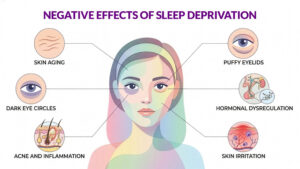
Infographic showing negative effects of sleep deprivation on skin including dark circles, wrinkles, and inflammation

Sleep plays an important role in skin repair. During deep sleep the body activates many regenerative processes. Skin cells renew themselves, oxidative damage is repaired and collagen synthesis increases.

When sleep is shortened or repeatedly disrupted, these processes become less efficient. Over time insufficient sleep contributes to dull skin tone, reduced elasticity and more pronounced dark circles. The skin simply has less time to recover.


Circulation and skin vitality

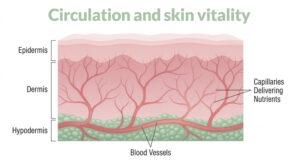
Skin layer diagram showing blood vessels and capillaries supporting circulation and skin vitality

Stress also affects circulation. Activation of the sympathetic nervous system causes blood vessels to constrict and redirects blood flow toward essential organs and muscles.

While this response is useful in acute danger, it reduces oxygen and nutrient delivery to the skin. Reduced microcirculation can make the skin appear pale, tired and less radiant.


Stress also changes behaviour

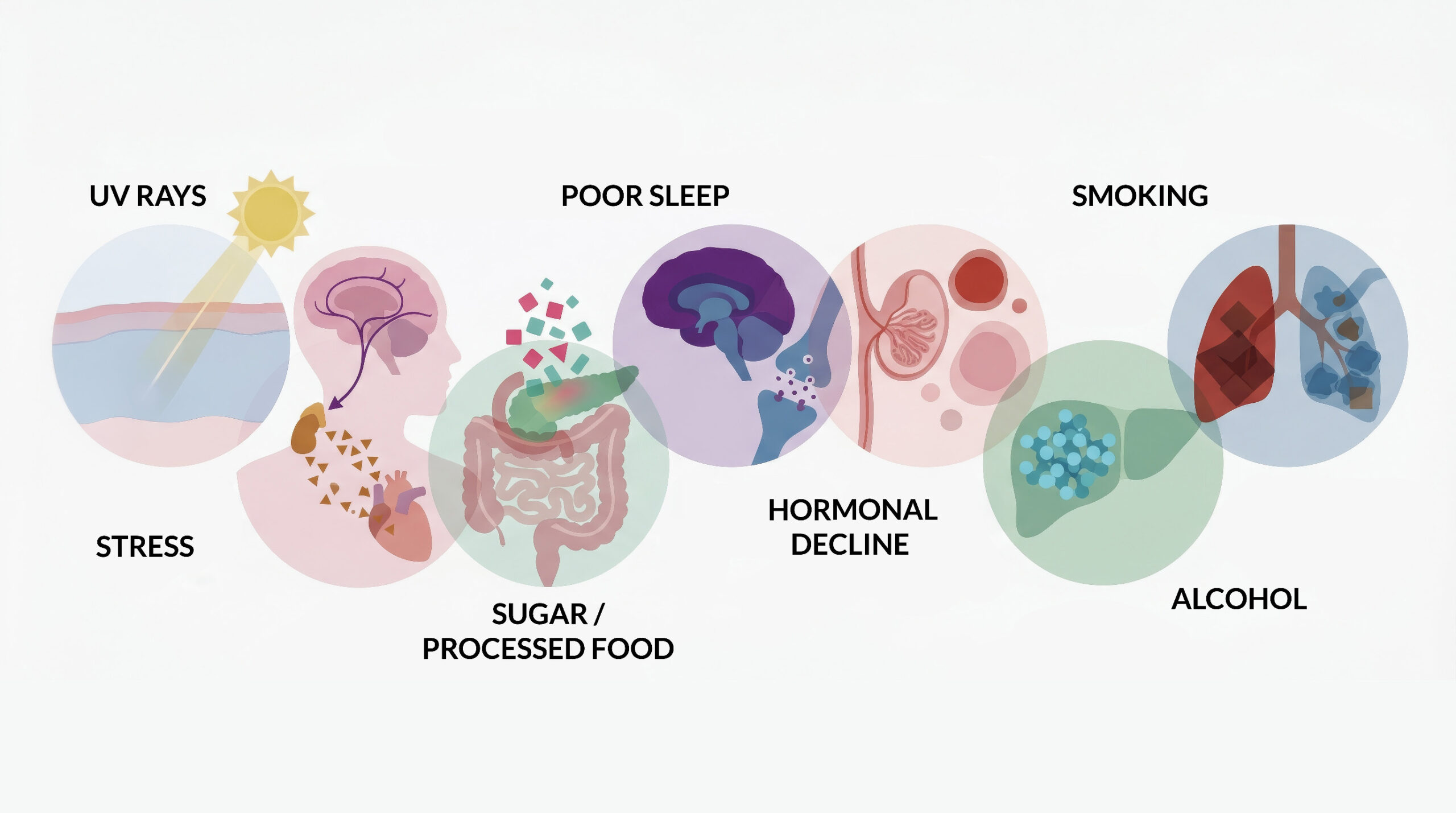
Stress does not only influence internal biology – it also changes everyday habits. During stressful periods people often sleep less, eat more sugar or highly processed foods, drink more alcohol and neglect regular skincare routines.

Each of these factors affects skin health individually. When they occur together, their effects accumulate, which is why stressful phases often coincide with visible skin deterioration.


Bringing stressed skin back into balance

When the skin becomes reactive during stressful periods, the first step is usually not to add more active treatments. In many cases the barrier is already irritated and overwhelmed. The goal is to calm the skin and restore stability.

This often means temporarily simplifying the skincare routine. Strong retinoids, frequent exfoliating acids or too many layered products may further irritate already stressed skin. Hydration becomes central during this phase. Ingredients such as hyaluronic acid help restore moisture levels and support skin resilience without increasing irritation.

At the same time, many people instinctively reach for very rich creams when their skin becomes irritated. In reality, excessively heavy formulations can sometimes worsen congestion or inflammation. In most cases gentle cleansing, light hydration and barrier-supporting care are the most effective approach.

When cumulative damage has already become visible, skin rejuvenation may become part of a broader dermatological treatment strategy.


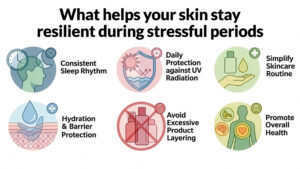
What helps your skin stay resilient during stressful periods

Infographic with tips for resilient skin during stress including sleep, UV protection, hydration, and simple skincare

Stress cannot be eliminated completely, but you can support your skin’s ability to cope with it. From a dermatological perspective, a few principles make a significant difference.

  • Maintain a consistent sleep rhythm whenever possible
  • Protect the skin daily from ultraviolet radiation
  • Simplify skincare routines when the skin becomes reactive
  • Focus on hydration and barrier support rather than strong active ingredients
  • Avoid excessive layering of products during inflammatory phases
  • Support overall health through balanced nutrition and stress regulation

When the skin barrier stabilizes and inflammation decreases, the skin usually regains its natural balance faster than many people expect.


The skin reflects the body’s overall balance

Ultimately the skin tells a story about the body’s overall state. It reflects not only age or genetics but also sleep, nutrition, hormones and emotional well-being. When you learn to interpret these signals, skincare becomes more than cosmetic care. It becomes part of maintaining the body’s broader health and balance.

For long-term prevention, daily photoprotection and regular skin cancer prevention remain central pillars of responsible skin care.

In selected cases, supportive regenerative aesthetic treatments may complement a broader strategy when structural resilience needs additional support.

Natural Aesthetic Corrections

Natural Aesthetic Corrections

Why restraint, structure and natural results define modern aesthetics

Modern aesthetic dermatology has evolved significantly over recent years. The focus has shifted away from visible alteration and exaggerated effects toward subtle, biologically respectful interventions. Natural aesthetic corrections aim to preserve individual facial characteristics, support structural integrity and maintain harmony, rather than impose uniform aesthetic ideals.

From visible correction to biological support

In the past, aesthetic treatments often focused primarily on correcting visible signs of aging or modifying specific features. While these approaches could be effective in the short term, they sometimes overlooked underlying skin biology and long-term tissue health.

Contemporary aesthetic medicine takes a different approach. By supporting collagen structure, skin elasticity and overall tissue quality, it becomes possible to achieve natural-looking results without altering expression or identity.


Structure before volume

One of the key principles of natural aesthetic correction is addressing structural changes before considering volume replacement. Loss of firmness, elasticity and skin quality often precedes true volume loss. When these factors are ignored, volume-based treatments may lead to unnatural results.

By focusing on regenerative and collagen-stimulating strategies first, skin stability can often be improved without excessive filling. When volume-based treatments are indicated, they are applied conservatively and strategically, respecting anatomical landmarks and natural proportions.


Preserving facial expression and dynamics

Facial aesthetics are defined not only by static appearance but by movement and expression. Treatments that excessively restrict facial motion can compromise natural dynamics and lead to an artificial look.

Natural aesthetic correction aims to maintain expressive balance. Subtle modulation rather than immobilization allows facial expressions to remain intact while softening unwanted tension or imbalance. This principle is particularly relevant in younger patients and preventive aesthetic concepts.


Individualization and a long-term perspective

Natural results are achieved through individualized treatment planning. Skin type, facial anatomy, aging patterns and personal expectations all influence treatment decisions. There is no standardized aesthetic template suitable for every patient.

Equally important is a long-term perspective. Treatments are selected not only for immediate effect, but for their ability to support tissue health and aging processes over time. Conservative intervention today often reduces the need for more aggressive correction later.


Medical responsibility in aesthetic decision-making

Achieving natural aesthetic outcomes requires medical judgment, experience and, in many cases, conscious restraint. Not every available treatment is appropriate at every stage of life, and in some situations the most responsible decision is to delay or avoid intervention.

Dermatological expertise ensures that aesthetic treatments are integrated into an overall concept of skin health, regeneration and prevention. This approach protects patients from overtreatment and supports sustainable, natural-looking results.

Medical Review

This content is medically reviewed by Dr. Cordula Ahnhudt-Franke, board-certified dermatologist, and curated by the dermatology team at mySkin Mallorca. It reflects current scientific knowledge and clinical experience.

Scientific Background (selected references)

  • Rohrich RJ, Pessa JE.

The fat compartments of the face: anatomy and clinical implications.

Plastic and Reconstructive Surgery, updated review 2022

  • Fitzgerald R et al.

Principles of facial aesthetics and natural outcomes.

Aesthetic Surgery Journal, 2023

  • Cotofana S et al.

Facial anatomy and safe aesthetic treatment planning.

Journal of Cosmetic Dermatology, 2024

Preventive Anti-Aging Strategies

Preventive Anti-Aging Strategies

Which measures are appropriate in the 20s, 30s and early 40

Preventive aesthetics is based on the understanding that skin aging begins long before visible wrinkles or volume loss appear. Structural changes such as collagen degradation, reduced cellular repair capacity and low-grade inflammation start early and progress gradually. Preventive strategies aim to stabilize skin biology, preserve tissue quality and delay the onset of visible aging rather than correct advanced changes at a later stage.


Skin aging as a biological continuum

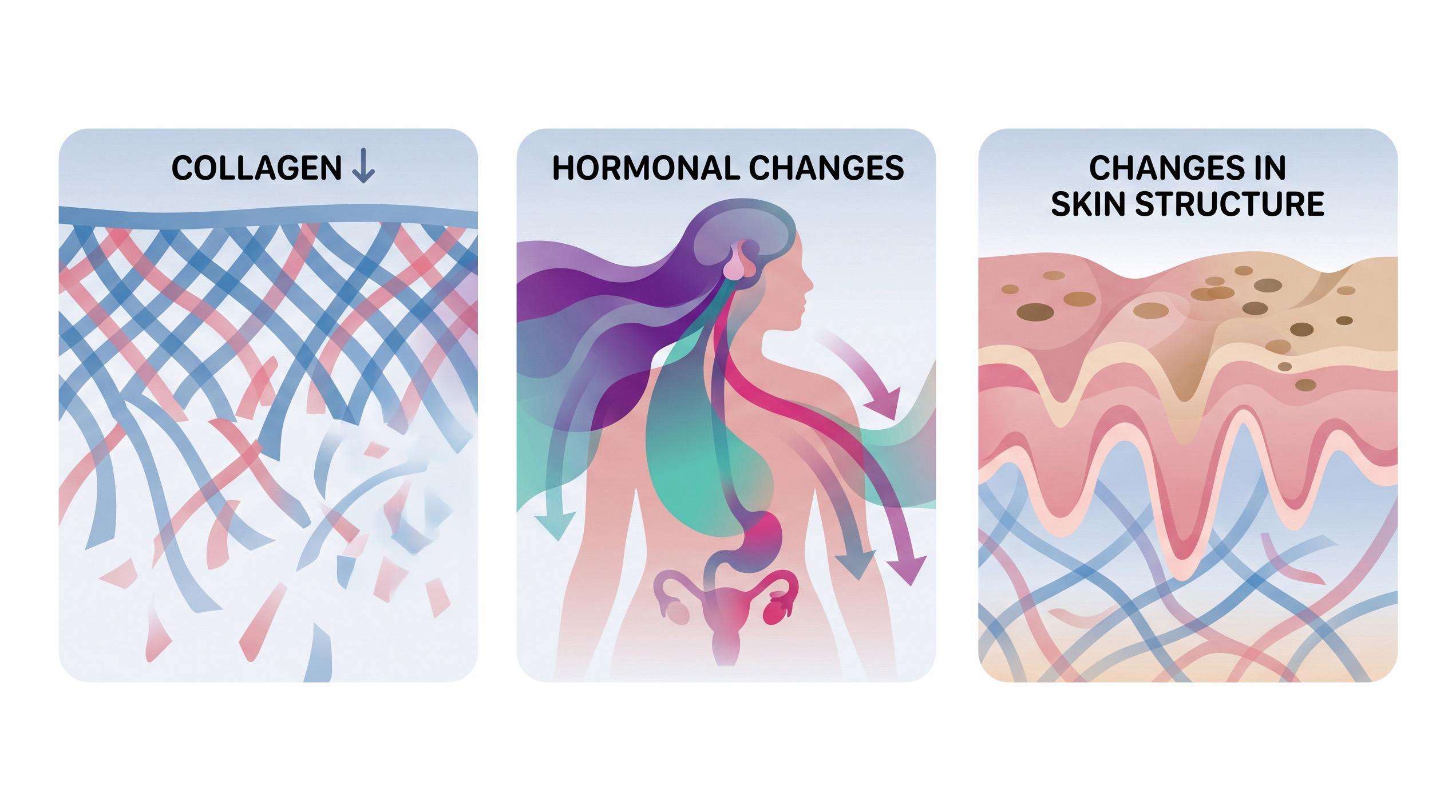
Skin aging is not a sudden event but a continuous biological process. From the mid-20s onward, collagen synthesis slowly declines, epidermal turnover becomes less efficient and oxidative stress accumulates. These changes are initially subtle and often not visible but measurable at a cellular and structural level.

Preventive approaches focus on maintaining skin function and resilience during this phase. By supporting collagen integrity, barrier stability and regenerative capacity early on, long-term skin quality can be preserved more effectively.


Prevention in the 20s: stabilizing skin function

In the 20s, preventive aesthetics centers on skin health rather than correction. Key goals include controlling inflammation, maintaining barrier function and protecting against environmental damage.

Consistent photoprotection, antioxidant skincare and treatment of inflammatory conditions such as acne play a central role. In selected cases, gentle laser-based treatments or light-based therapies may be used to support skin clarity and stimulate early regenerative processes without aggressive intervention.


Prevention in the 30s: supporting collagen and repair

During the 30s, early structural changes become more relevant. Collagen turnover slows, and the skin’s ability to repair microdamage decreases. Preventive strategies at this stage aim to support collagen metabolism and enhance regenerative signaling.

Non-ablative laser treatments, mild collagen induction and regenerative injectables can be used to stimulate fibroblast activity and maintain dermal density. These approaches are typically subtle and tailored to individual skin needs, with the goal of preserving structure rather than altering facial features.


Early 40s: combining prevention and regeneration

In the early 40s, preventive strategies increasingly overlap with regenerative approaches. Hormonal changes, cumulative UV exposure and lifestyle factors contribute to visible changes in skin texture, elasticity and pigmentation.

Combination therapies become particularly relevant at this stage. Laser-based treatments, regenerative injectables and structured skincare protocols are often combined to address multiple biological pathways simultaneously. The focus remains on natural results and long-term tissue stability rather than short-term aesthetic effects.


The role of lifestyle and skincare in prevention

Preventive aesthetics extends beyond in-clinic treatments. Daily photoprotection, evidence-based skincare and lifestyle factors such as sleep, nutrition and stress management directly influence skin aging pathways.

Topical antioxidants such as vitamin C support protection against oxidative stress. Retinoids promote epidermal renewal and collagen stimulation. Ingredients that modulate pigmentation and inflammation help maintain even skin tone and barrier stability. These measures form the foundation of any preventive strategy.


Individualized, medically guided prevention

There is no universal preventive protocol suitable for every patient. Skin type, genetic predisposition, hormonal status and lifestyle factors must all be considered. Preventive aesthetics therefore requires medical guidance and individualized planning.

Early, structured intervention allows aging processes to be influenced before significant structural damage occurs. The goal is not to stop aging but to guide it in a biologically balanced and sustainable way.

Medical Review

This content is medically reviewed by Dr. Cordula Ahnhudt-Franke, board-certified dermatologist, and curated by the dermatology team at mySkin Mallorca. It reflects current scientific knowledge and clinical experience.

Scientific Background (selected references)

  • Krutmann J et al.

The skin aging exposome.

Journal of Dermatological Science, 2023


  • Fisher GJ et al.

Pathophysiology of premature skin aging induced by ultraviolet light.

New England Journal of Medicine, 2022

  • Rittié L.

Cellular mechanisms of skin aging.

Journal of Investigative Dermatology, 2024


  • Gilchrest BA, Krutmann J.

Skin Aging.

Springer, updated edition 2023


Acne Scars and Early Structural Changes

Acne Scars and Early Structural Changes

How inflammation leads to long-term skin alterations

Acne scars and early structural skin changes are the consequence of prolonged or inadequately controlled inflammation. Even after active acne lesions have resolved, inflammatory processes within the skin may persist and interfere with normal tissue repair. These changes primarily affect collagen architecture and dermal stability and can lead to permanent textural irregularities if not addressed appropriately.

From inflammation to structural damage

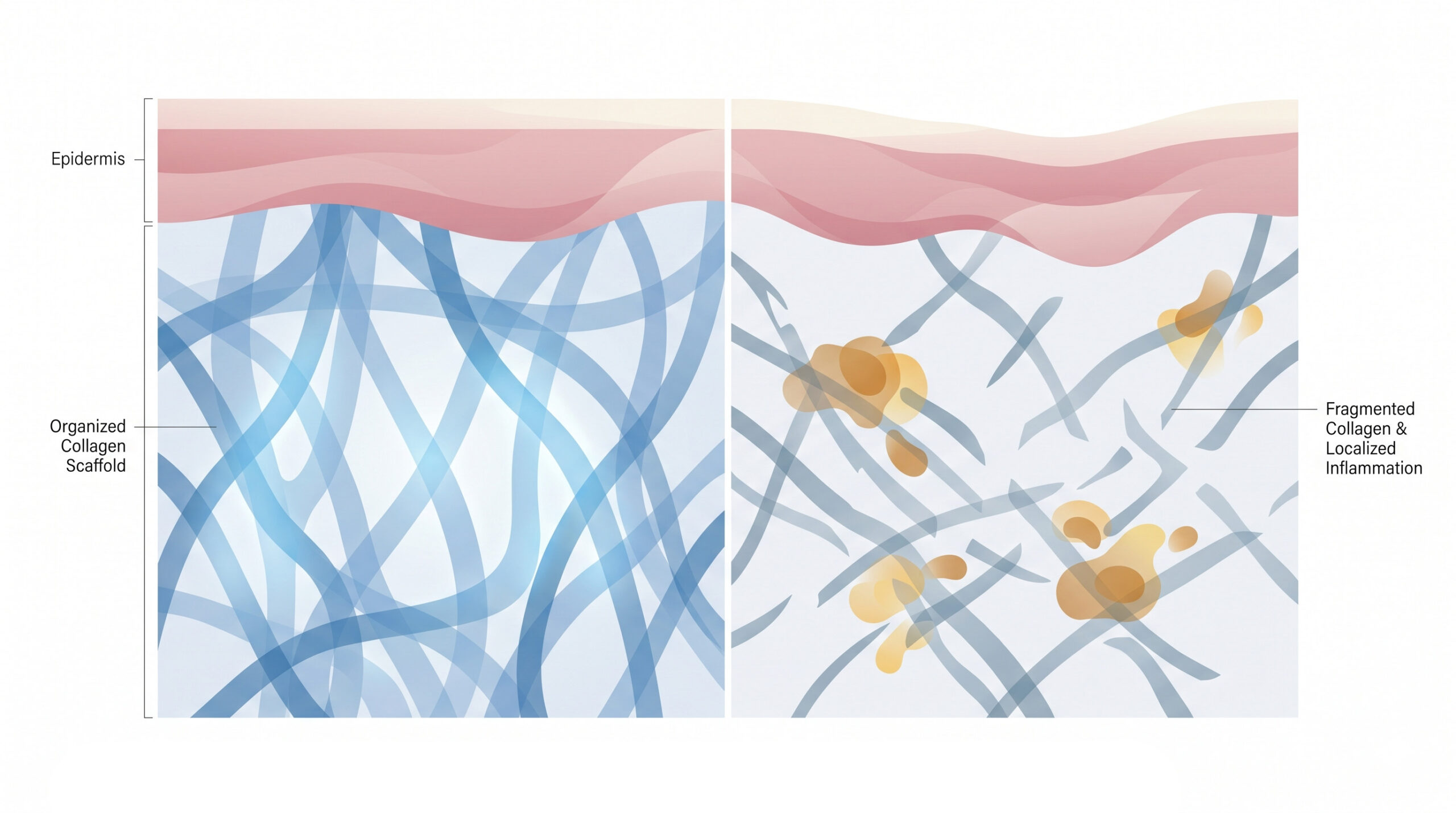
During inflammatory acne, immune mediators and matrix-degrading enzymes are released within the skin. While these mechanisms are part of the body’s defense response, they also damage components of the extracellular matrix. Collagen fibers become fragmented, and the balance between collagen degradation and regeneration is disrupted.

When inflammation is intense or prolonged, fibroblast activity is impaired. Instead of restoring a well-organized collagen network, the skin may heal with reduced collagen density or disorganized fiber alignment. This process explains why acne scars can develop even after relatively short periods of inflammatory acne and why early intervention is critical.


Different types of acne scars and structural changes

Acne scars are not a uniform condition. Different scar types reflect distinct patterns of tissue damage and require different therapeutic approaches.

Atrophic scars are the most common form and result from collagen loss within the dermis. These include ice-pick scars, which are narrow and deep; boxcar scars, which are broader with sharply defined edges; and rolling scars, which are caused by fibrous tethering of the skin to deeper tissue layers, leading to a wavelike surface appearance.

In addition to visible scars, early structural changes may manifest as uneven skin texture, enlarged pores or reduced firmness. These subtle alterations often represent early collagen loss and impaired dermal support, even before distinct scars become apparent.

Because scar morphology determines treatment response, accurate classification is essential. A treatment approach that is effective for one scar type may be insufficient or inappropriate for another.


Why early intervention matters

Effective control of acne-related inflammation significantly reduces the risk of scarring. Once structural damage to the collagen network has occurred, spontaneous regeneration is limited. Established scars do not resolve without targeted medical intervention.

This highlights the importance of early dermatological assessment and timely treatment. Addressing inflammation, supporting proper wound healing and stabilizing collagen structure are key factors in preventing long-term skin damage.


Modern regenerative approaches to acne scars

Contemporary acne scar management is based on regenerative strategies that stimulate collagen remodeling and improve tissue quality. Non-ablative and fractional laser systems create controlled micro-injury within the dermis, activating fibroblasts and promoting new collagen formation while preserving the epidermis.

In selected cases of advanced or deep acne scarring, ablative laser systems such as CO₂ lasers play an important role. By inducing controlled tissue ablation and thermal stimulation, these systems enable significant collagen remodeling and structural renewal. Due to longer recovery times and higher demands on aftercare, ablative treatments are reserved for carefully selected indications and performed under experienced medical supervision.


Subcision as a structural release technique

In scars characterized by fibrotic tethering, particularly rolling scars, mechanical restriction of the skin plays a central role. Subcision is a minimally invasive technique designed to release these fibrous bands that anchor the skin to deeper structures.

By restoring tissue mobility, subcision creates a regenerative environment that supports collagen formation and enhances the effectiveness of subsequent laser or regenerative treatments. Without addressing these mechanical constraints, collagen stimulation alone may lead to limited or incomplete improvement.


Endolift and deep dermal regeneration

Endolift is a minimally invasive laser-based procedure that delivers controlled thermal stimulation to the deep dermis and subdermal layers. In acne-related structural changes, Endolift supports deep collagen remodeling and tissue tightening beyond the reach of superficial laser treatments.

This approach can be particularly beneficial in patients with diffuse structural weakness, post-acne skin laxity or mixed scar patterns. When integrated into multimodal treatment concepts, Endolift complements surface-based laser therapies and regenerative injectables by addressing deeper tissue layers involved in long-term skin stability.


Combination therapy and long-term skin quality

Clinical experience and scientific evidence demonstrate that integrated treatment concepts achieve more consistent and sustainable results than single-modality approaches. Combining lasers, subcision, regenerative procedures and targeted skincare allows treatment to be tailored to scar type, skin condition and individual regenerative capacity.

Acne scars are not merely cosmetic imperfections but markers of previous inflammatory damage. Modern dermatology focuses on restoring tissue structure and function rather than surface correction alone. A structured, medically guided treatment plan improves skin texture, reduces visible scarring and supports long-term skin resilience.

Medical Review

This content is medically reviewed by Dr. Cordula Ahnhudt-Franke, board-certified dermatologist, and curated by the dermatology team at mySkin Mallorca. It reflects current scientific knowledge and clinical experience.

Scientific Background (selected references)

  • Goodman GJ et al.

Pathogenesis and management of acne scarring.

Journal of the American Academy of Dermatology, 2023

  • Fabbrocini G et al.

Acne scars: pathogenesis, classification and treatment.

Dermatologic Therapy, 2022

  • Tierney EP, Hanke CW.

Treatment of acne scarring: current concepts and combination approaches.

Journal of Clinical and Aesthetic Dermatology, 2024


  • Ahnhudt-Franke C.

Non-ablative laser treatment of surgical and acne-induced scars.

The PMFA Journal, 2022/2023

Acne and Inflammatory Skin Conditions

Acne and Inflammatory Skin Conditions

Biological causes of acne, inflammation and barrier disruption

Acne is one of the most common inflammatory skin conditions and affects patients across different age groups. While it is often perceived as a cosmetic concern, acne is a medical condition reflecting complex biological processes involving sebaceous gland activity, inflammation, microbiome imbalance and impaired skin barrier function. Understanding these mechanisms is essential for effective, sustainable treatment and long-term skin health.

Sebaceous activity and follicular imbalance

Sebaceous glands play a central role in acne development. Increased sebum production creates an environment that promotes follicular obstruction and altered microbial balance. Accumulation of sebum within hair follicles contributes to comedone formation and facilitates inflammatory signaling within the follicular unit.

Sebaceous activity is influenced by hormonal signaling, genetic predisposition and environmental factors. This explains why acne often emerges during hormonal transitions and why it may persist beyond adolescence into adulthood.

Inflammation as a central driver of acn

Inflammation is a key driver of acne and frequently precedes visible lesions. Inflammatory signaling disrupts normal keratinization and weakens local immune regulation within the follicle. Even clinically mild acne can be associated with subclinical inflammation affecting surrounding tissue.

Persistent inflammatory activity increases the risk of post-inflammatory hyperpigmentation and early structural damage. Without appropriate medical treatment, these processes may continue even when visible lesions temporarily improve.

Skin barrier disruption and microbiome imbalance

The skin barrier serves as a critical defense against environmental stressors and microbial overgrowth. In acne-prone skin, barrier integrity is often compromised, leading to increased transepidermal water loss, heightened sensitivity and reduced tolerance to topical products.

Alterations of the skin microbiome further contribute to inflammatory imbalance. Changes in microbial composition influence immune responses and may perpetuate chronic low-grade inflammation, complicating acne control and increasing the risk of long-term skin damage.

Acne as a medical condition

Acne is a medical condition rather than a purely cosmetic issue. In mild cases it may improve spontaneously, but from a certain stage onward acne is no longer self-limiting. Ongoing inflammation can persist beneath the surface even when visible lesions fluctuate, increasing the likelihood of pigment changes, textural irregularities and permanent scarring.

Clinical evidence demonstrates that early, appropriate treatment significantly reduces the risk of long-term skin damage. Delayed therapy or reliance on unsupervised skincare alone often allows inflammatory processes to persist and structural alterations to develop.

Modern combination therapy concepts

Contemporary acne management is based on integrated treatment concepts addressing multiple biological pathways simultaneously. Depending on severity, skin type and individual triggers, treatment may include medical topical or systemic therapy, laser and energy-based devices to modulate inflammation and support structural repair, and targeted skincare to restore barrier function.

Laser and energy-based treatments play an increasingly important role not only in the management of acne scars, but also in selected cases of active acne by influencing inflammatory pathways and supporting regenerative processes.

Because acne involves complex interactions between inflammation, hormones, barrier function and the microbiome, treatment should be guided by a dermatologist. Unsupervised experimentation with active skincare products may aggravate inflammation and further compromise the skin barrier.

A medically guided, individualized approach allows acne to be treated effectively while minimizing long-term skin damage and preserving overall skin quality.

Medical Review

This content is medically reviewed by Dr. Cordula Ahnhudt-Franke, board-certified dermatologist, and curated by the dermatology team at mySkin Mallorca. It reflects current scientific knowledge and clinical experience.

Scientific Background (selected references)

  • Dréno B et al.

Inflammatory pathways in acne vulgaris.

Journal of the European Academy of Dermatology and Venereology, 2023

  • Thiboutot D et al.

Sebaceous gland activity and acne: updated concepts.

Journal of Investigative Dermatology, 2022

  • Rocha MA, Bagatin E.

Skin barrier dysfunction in acne vulgaris.

Dermatology, 2023

  • O’Neill AM, Gallo RL.

Host–microbiome interactions in inflammatory skin disease.

Nature Reviews Immunology, 2024

  • Ahnhudt-Franke C.

Die moderne lasergestützte Aknetherapie.

DISKURS Dermatologie. 2023;4.

Prevention of Pigment and UV Damage

Prevention of Pigment and UV Damage

Why consistent protection and supportive skincare are essential for long-term skin health

Prevention plays a central role in the management of pigment changes and sun damage. While modern dermatological treatments can significantly improve visible pigmentation and overall skin quality, long-term success depends largely on reducing ongoing ultraviolet exposure and stabilizing the biological processes that regulate pigment formation.

Ultraviolet radiation remains the most relevant external trigger for pigment changes, collagen degradation and vascular alterations. Without effective prevention, newly treated pigmentation often recurs and structural skin damage continues to progress. For this reason, prevention is not an optional add-on, but a fundamental part of every pigment-focused treatment strategy.


Photoprotection as the foundation

Consistent photoprotection is the cornerstone of preventing pigment and UV-related skin damage. Broad-spectrum sunscreens reduce penetration of UVA and UVB radiation and protect DNA, melanocytes and collagen structures from further injury.

Photoprotection is not limited to intense sun exposure or holidays. Daily, cumulative UV exposure during routine outdoor activities contributes significantly to biological skin aging and pigment instability. This is particularly relevant in regions with high year-round UV exposure such as Mallorca.

Regular sunscreen use has been shown to reduce the development of new pigment changes and slow visible signs of photoaging. Without reliable photoprotection, even the most advanced dermatological treatments cannot achieve stable, long-term results.


Lifestyle factors and sun exposure behavior

Sun-related skin damage is influenced not only by UV intensity but also by individual behavior. Prolonged outdoor activity, tanning habits and inconsistent sun protection significantly increase the risk of pigment changes, especially in hormonally sensitive or inflammation-prone skin.

Protective clothing, shade-seeking behavior and avoiding peak UV hours complement topical photoprotection and reduce cumulative exposure. These measures are particularly important for patients undergoing pigment-focused treatments.


Skincare supporting pigment stability

Supportive skincare plays an important role in preventing pigment changes and stabilizing treatment outcomes. Certain active ingredients can reduce oxidative stress, regulate melanocyte activity and strengthen the skin barrier, thereby lowering the risk of recurrent pigmentation.

Antioxidants such as vitamin C help neutralize free radicals generated by ultraviolet exposure and support collagen stability. By reducing oxidative stress, they indirectly limit inflammation-driven pigment stimulation.

Ingredients that directly influence pigment pathways, such as tranexamic acid or hydroquinone, can reduce excessive melanin production when used appropriately and under medical supervision. These agents are particularly relevant in hormonally influenced or post-inflammatory pigment changes.

Retinoids, including retinol, support epidermal renewal and cellular turnover. By improving skin texture and accelerating the removal of pigment-containing keratinocytes, they contribute to a more even skin tone over time.

Barrier-stabilizing and anti-inflammatory ingredients such as niacinamide strengthen the skin’s immune defense, reduce low-grade inflammation and improve tolerance to both environmental stress and active treatments.

The aim of pigment-supportive skincare is not aggressive correction, but long-term stabilization of skin biology. Consistent, well-tolerated skincare enhances the durability of procedural treatments and reduces the likelihood of pigment relapse.


Prevention as a long-term strategy

Prevention should be viewed as a continuous process rather than a temporary measure. Consistent photoprotection, supportive skincare and responsible sun behavior stabilize pigment regulation, slow structural skin aging and reduce the need for repeated or aggressive corrective procedures.

Patients who are unwilling or unable to commit to adequate sun protection may not be suitable candidates for certain pigment-focused treatments, as untreated UV exposure significantly increases risks and compromises outcomes.

Medical Review

This content is medically reviewed by Dr. Cordula Ahnhudt-Franke, board-certified dermatologist, and curated by the dermatology team at mySkin Mallorca. It reflects current scientific knowledge and clinical experience.

Scientific Background (selected references)

  • Passeron T et al.

Photoprotection and pigmentary disorders: mechanisms and prevention strategies.

Journal of the European Academy of Dermatology and Venereology, 2024

  • Green AC et al.

Daily sunscreen use and long-term prevention of photoaging and pigmentation.

Annals of Internal Medicine, 2022

  • Kim M, Jung JY.

Topical agents for hyperpigmentation: evidence-based approaches.

Dermatologic Therapy, 2023

  • Del Bino S, Duval C, Bernerd F.

Clinical and biological characterization of skin pigmentation disorders.

Pigment Cell & Melanoma Research, 2022

  • Draelos ZD.

Role of antioxidants and barrier-supportive ingredients in pigment stability.

Journal of Cosmetic Dermatology, 2024


Modern Therapies for Pigment Changes

Modern Therapies for Pigment Changes

How targeted dermatological treatments improve pigment changes safely and effectively

Modern dermatology offers a wide range of treatment options for pigment changes. However, successful therapy depends less on the number of available technologies and more on selecting the right approach for the specific type of pigmentation. Because pigment changes differ in origin, depth and biological behavior, treatment strategies must be individualized.

Rather than aiming for rapid cosmetic correction, modern therapies focus on stabilizing pigment regulation, improving skin structure and reducing the risk of recurrence.


Laser and light-based therapies

Laser and light-based systems are among the most effective tools for treating pigment changes. Their mechanisms differ depending on wavelength, pulse duration and energy delivery. Some systems target melanin directly, while others influence vascular components or stimulate dermal remodeling.

Selective photothermal or photoacoustic effects allow pigment particles to be fragmented and gradually cleared by the body’s natural processes. At the same time, surrounding tissue must be protected to avoid inflammation or post-treatment pigmentation. This is why careful parameter selection and individual skin assessment are essential.

Not all pigment changes respond to the same technology. The choice of treatment depends on pigment depth, skin type, sun exposure and the presence of accompanying vascular or inflammatory components.


Combination approaches for complex pigmentation

Many pigment changes are not isolated phenomena. They often coexist with redness, vascular alterations or structural skin damage. In such cases, combination therapies are particularly effective.

By combining pigment-targeting treatments with modalities that improve collagen structure, reduce inflammation or stabilize the skin barrier, results become more balanced and longer-lasting. Sequential treatment concepts allow different biological mechanisms to be addressed without overstressing the skin.


Topical and supportive therapies

Topical treatments play an important supportive role in managing pigment changes. Ingredients that regulate melanocyte activity, reduce inflammation and strengthen the skin barrier help stabilize results achieved through procedural treatments.

Consistent use of broad-spectrum photoprotection is essential before, during and after any pigment-focused therapy. Without adequate sun protection, even the most advanced treatments cannot deliver stable outcomes.


Safety and long-term perspective

The primary goal of modern pigment therapy is safety and long-term stability rather than aggressive short-term correction. Overly aggressive treatment increases the risk of inflammation and rebound pigmentation, particularly in darker skin types or hormonally sensitive conditions.

A medically guided, stepwise approach minimizes risks and supports gradual normalization of pigment regulation.

Medical Review

This content is medically reviewed by Dr. Cordula Ahnhudt-Franke, board-certified dermatologist, and curated by the dermatology team at mySkin Mallorca. It reflects current scientific knowledge and clinical experience.

Scientific Background (selected references)

  • Alexis AF, Desai SR. Lasers and light-based therapies for pigmentary conditions. Dermatologic Clinics, 2023
  • Passeron T et al. Management of pigment changes: current and emerging therapies. JEADV, 2024
  • Nouri K et al. Laser treatment of pigmentation: principles and safety considerations. Lasers in Surgery and Medicine, 2022
  • Kwon SH et al. Combination approaches for complex pigment changes. Journal of Cosmetic Dermatology, 2025

Types of Pigment Disorders

Types of Pigment Disorders

Why pigmentation is not always the same – and why diagnosis matters

Pigment changes are among the most common reasons patients seek dermatological advice. However, not all pigment changes are alike. They may differ significantly in origin, depth, biological behavior and response to treatment. Understanding these differences is essential for choosing safe and effective therapeutic strategies.

Rather than representing a single condition, pigment changes often reflect a spectrum of biological processes involving melanocytes, inflammation, vascular alterations and structural skin damage.


Sun-induced pigment changes

Chronic ultraviolet exposure is one of the most frequent triggers of pigment changes. Repeated stimulation of melanocytes leads to increased melanin production and uneven pigment distribution. Over time, this may result in age-related pigment changes such as lentigines, which are commonly referred to as “age spots.”

These changes are usually benign but indicate cumulative photodamage. They often coexist with collagen degradation and reduced skin resilience, which explains why pigment correction alone may not fully restore skin quality.


Post-inflammatory pigment changes

Inflammation is another important driver of pigmentation. Acne, eczema, laser procedures or minor skin injuries can trigger increased melanin production during the healing process. This results in post-inflammatory hyperpigmentation, which varies in intensity depending on skin type, inflammatory burden and sun exposure.

These pigment changes are not caused by sun exposure alone and require careful management to avoid further stimulation of melanocytes.


Hormonally influenced pigmentation

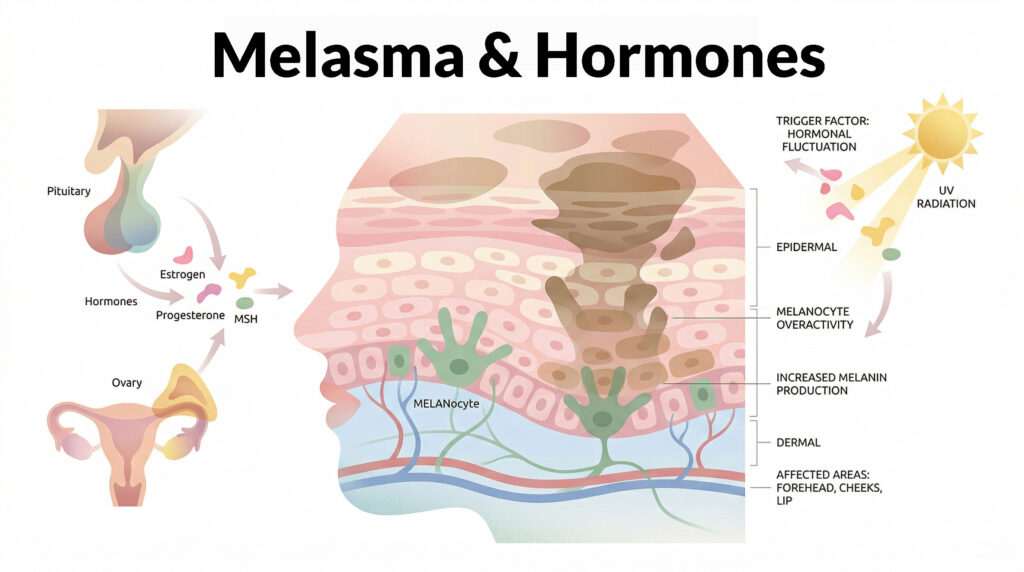
Hormonal fluctuations can significantly affect pigment regulation. Conditions such as melasma are influenced by estrogen and progesterone signaling and are often exacerbated by ultraviolet exposure. Pigmentation in this context is typically more diffuse and recurrent, reflecting a complex interaction between hormones, melanocyte sensitivity and environmental factors.

Effective management requires a long-term strategy that addresses both biological triggers and external influences.


Complex pigment patterns and poikiloderma

Some pigment changes involve multiple biological components. Poikiloderma, for example, is characterized by a combination of pigmentation, redness, visible blood vessels and skin thinning. It reflects chronic sun damage affecting pigment cells, vascular structures and connective tissue simultaneously.

These complex patterns require differentiated treatment approaches that go beyond targeting melanin alone.

Why accurate assessment is essential

Because pigment changes arise from different biological mechanisms, a precise dermatological assessment is essential before initiating treatment. Skin type, tanning behavior, hormonal factors and seasonal sun exposure all influence treatment selection and safety.

A tailored approach improves outcomes while minimizing the risk of post-treatment pigmentation or recurrence.

Medical Review

This content is medically reviewed by Dr. Cordula Ahnhudt-Franke, board-certified dermatologist, and curated by the dermatology team at mySkin Mallorca. It reflects current scientific knowledge and clinical experience.

Scientific Background (selected references)

  • Passeron T et al. Melasma and pigmentary disorders: pathophysiology and management. Journal of the European Academy of Dermatology and Venereology, 2023
  • Kim M, Jung JY. Post-inflammatory hyperpigmentation: mechanisms and treatment approaches. Dermatologic Therapy, 2024
  • Krutmann J et al. Photoaging and pigmentary alterations of the skin. Journal of Investigative Dermatology, 2022
  • Hexsel D et al. Poikiloderma of Civatte: clinical features and pathogenesis. International Journal of Dermatology, 2023

UV Radiation and Skin Biology

UV Radiation and Skin Biology

How ultraviolet exposure affects pigmentation, collagen and skin stability

Ultraviolet (UV) radiation is one of the most important external factors influencing skin aging and long-term skin health. Unlike intrinsic aging, which is largely genetically determined, UV-induced skin damage is cumulative and largely preventable. Its effects go far beyond tanning or sunburn and involve fundamental biological changes within the skin.


UV radiation and cellular damage

UV radiation interacts directly with skin cells. UVB radiation primarily affects the upper skin layers and can cause direct DNA damage. UVA radiation penetrates deeper into the skin and induces oxidative stress, leading to indirect DNA damage and disruption of cellular repair mechanisms. Over time, repeated exposure overwhelms the skin’s ability to repair itself, allowing damage to accumulate.

These processes alter gene expression in skin cells, affecting inflammation, regeneration and long-term skin stability. This explains why chronic sun exposure contributes not only to visible aging but also to structural skin changes.


Effects on pigmentation

As a protective response, UV exposure stimulates melanocytes to increase melanin production. While this mechanism aims to shield DNA, repeated stimulation leads to irregular pigment distribution. Over time, this can result in uneven skin tone, sun-induced pigmentation, age-related pigment changes and complex patterns such as poikiloderma, where pigmentation, redness and skin thinning coexist.

Importantly, not all pigment changes are driven by melanin alone. UV radiation also affects vascular structures and inflammatory pathways, which is why pigmentation is often accompanied by redness and visible blood vessels.


Collagen degradation and structural aging

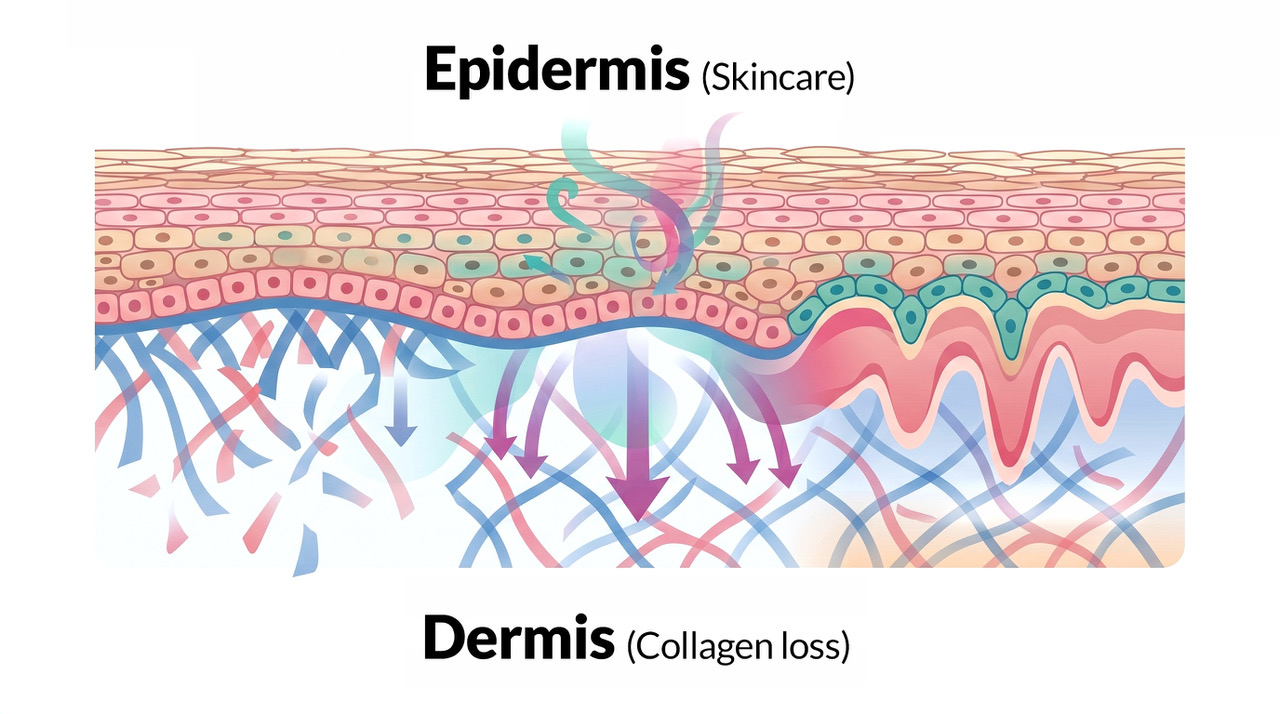
UV radiation has a profound impact on the dermal connective tissue. It activates enzymes that break down collagen while simultaneously reducing fibroblast activity and new collagen production. This imbalance leads to thinning of the dermis, loss of elasticity and reduced skin firmness.

These structural changes explain why sun-damaged skin often appears less resilient and ages faster than protected skin, even when pigmentation is treated.


Inflammation, oxidative stress and barrier function

Chronic UV exposure promotes low-grade inflammation and oxidative stress. Reactive oxygen species damage cellular components and weaken the skin barrier. As a result, the skin becomes more sensitive, loses moisture more easily and becomes increasingly vulnerable to environmental stressors.

This creates a cycle in which UV exposure weakens the skin’s defenses, making subsequent damage more likely and accelerating biological aging.


Why UV damage is cumulative

UV-induced skin damage does not disappear between seasons. Even low-grade, repeated exposure contributes to long-term changes in pigmentation, collagen structure and skin quality. This cumulative effect explains why sun damage often becomes visible years after the initial exposure.

Understanding how UV radiation affects skin biology is essential for effective prevention and treatment planning. Addressing pigment changes without protecting and stabilizing the underlying skin structure leads to incomplete and unstable results.

Medical Review

This content is medically reviewed by Dr. Cordula Ahnhudt-Franke, board-certified dermatologist, and curated by the dermatology team at mySkin Mallorca. It reflects current scientific knowledge and clinical experience.

Scientific Background (selected references)

The mechanisms described above are supported by current international research, including:

  • Krutmann J, Bouloc A, Sore G et al.

The skin aging exposome.

Journal of Dermatological Science, 2022

  • Flament F, Bazin R, Laquieze S et al.

Effect of solar exposure on the visible clinical signs of aging in Caucasian skin.

Clinical, Cosmetic and Investigational Dermatology, 2023

  • Rittié L, Fisher GJ.

UV-light-induced signal cascades and skin aging.

Ageing Research Reviews, 2024

  • Young AR, Narbutt J, Harrison GI et al.

Optimal sunscreen use and photoprotection mechanisms.

Photodermatology, Photoimmunology & Photomedicine, 2025


Physical Activity and Healthy Skin Aging

Physical Activity and Healthy Skin Aging

Physical activity is a powerful biological regulator of healthy aging and plays a significant role in maintaining skin structure, function and regenerative capacity. Regular movement influences circulation, metabolic balance, inflammatory regulation and cellular signaling, all of which are essential for long-term skin health.

One of the primary effects of physical activity on the skin is improved microcirculation. Exercise enhances blood flow, increasing the delivery of oxygen and nutrients to skin cells while supporting the removal of metabolic waste products. Improved perfusion contributes to better tissue oxygenation, more efficient repair processes and a healthier skin appearance over time.

Physical activity also modulates inflammatory pathways. Regular moderate exercise has been shown to reduce chronic low-grade inflammation by lowering pro-inflammatory cytokines and improving immune regulation. This anti-inflammatory effect counteracts inflamm-aging processes that accelerate collagen degradation and impair barrier function. Importantly, excessive or extreme training without adequate recovery may have the opposite effect, highlighting the importance of balance.

Metabolic regulation represents another key mechanism. Exercise improves insulin sensitivity and glucose metabolism, reducing the formation of advanced glycation end products that negatively affect collagen quality and elasticity. By stabilizing metabolic signaling, physical activity supports dermal matrix integrity and long-term structural stability of the skin.

Mechanical stimulation and muscle activity also influence connective tissue health. Movement supports lymphatic flow and extracellular matrix turnover, indirectly contributing to tissue firmness and resilience. In addition, physical activity interacts with hormonal signaling, supporting endocrine balance that is particularly relevant during midlife and later years.

Physical activity further exerts positive effects on stress regulation and sleep quality, both of which are closely linked to skin aging. Reduced stress hormone levels and improved sleep enhance regenerative pathways, reinforcing the benefits of movement on skin health.

From a dermatological perspective, physical activity should be understood as a supportive, long-term strategy rather than a short-term intervention. Regular, moderate movement integrated into daily life contributes to healthier aging by stabilizing biological processes that protect skin structure, function and regenerative capacity across all life stages.

Medical Review

This content is medically reviewed by Dr. Cordula Ahnhudt-Franke, board-certified dermatologist, and curated by the dermatology team at mySkin Mallorca. It reflects current scientific knowledge and clinical experience.

Scientific Background (Selected References — International)

  • Booth FW, Roberts CK, Laye MJ.

Lack of exercise is a major cause of chronic diseases and aging.

Comprehensive Physiology, 2021

  • Petersen AMW, Pedersen BK.

The anti-inflammatory effect of exercise.

Journal of Applied Physiology, 2022

  • Crane JD, MacNeil LG, Tarnopolsky MA.

Exercise and mitochondrial health in aging tissues.

Nature Metabolism, 2023

  • Silverman MN, Deuster PA.

Biological mechanisms linking physical activity, stress and inflammation.

Brain, Behavior, and Immunity, 2022

  • Choi SY, Kim JH, Lee YH.

Physical activity, glucose metabolism and skin aging.

International Journal of Molecular Sciences, 2024