Why healthy skin aging is about prevention, dermatological expertise and knowing when — and how — to treat.
“I want to age naturally. I just don’t want to look so tired.” It is a sentence I hear regularly in my dermatology practice, and I understand it very well. As a dermatologist with decades of experience in both medical and aesthetic dermatology, I have seen how our expectations of aging have changed. Most of my patients are not trying to look 25 again. They want to look healthy, rested and confident without losing the facial characteristics that make them recognisable. They want to look like themselves — simply the best possible version of themselves.
I understand this from a personal perspective, too. I am in my mid-fifties, and I care about how I age. I pay attention to my health, nutrition and lifestyle, protect my skin consistently and also use modern medical treatments to maintain its quality. I don’t see any contradiction between wanting to age naturally and choosing to support my skin with aesthetic medicine. For me, the question is not whether we should do something or nothing. It is about understanding what actually makes sense — biologically, medically and aesthetically.
Aging Is Natural. But Not Every Change Is Inevitable.
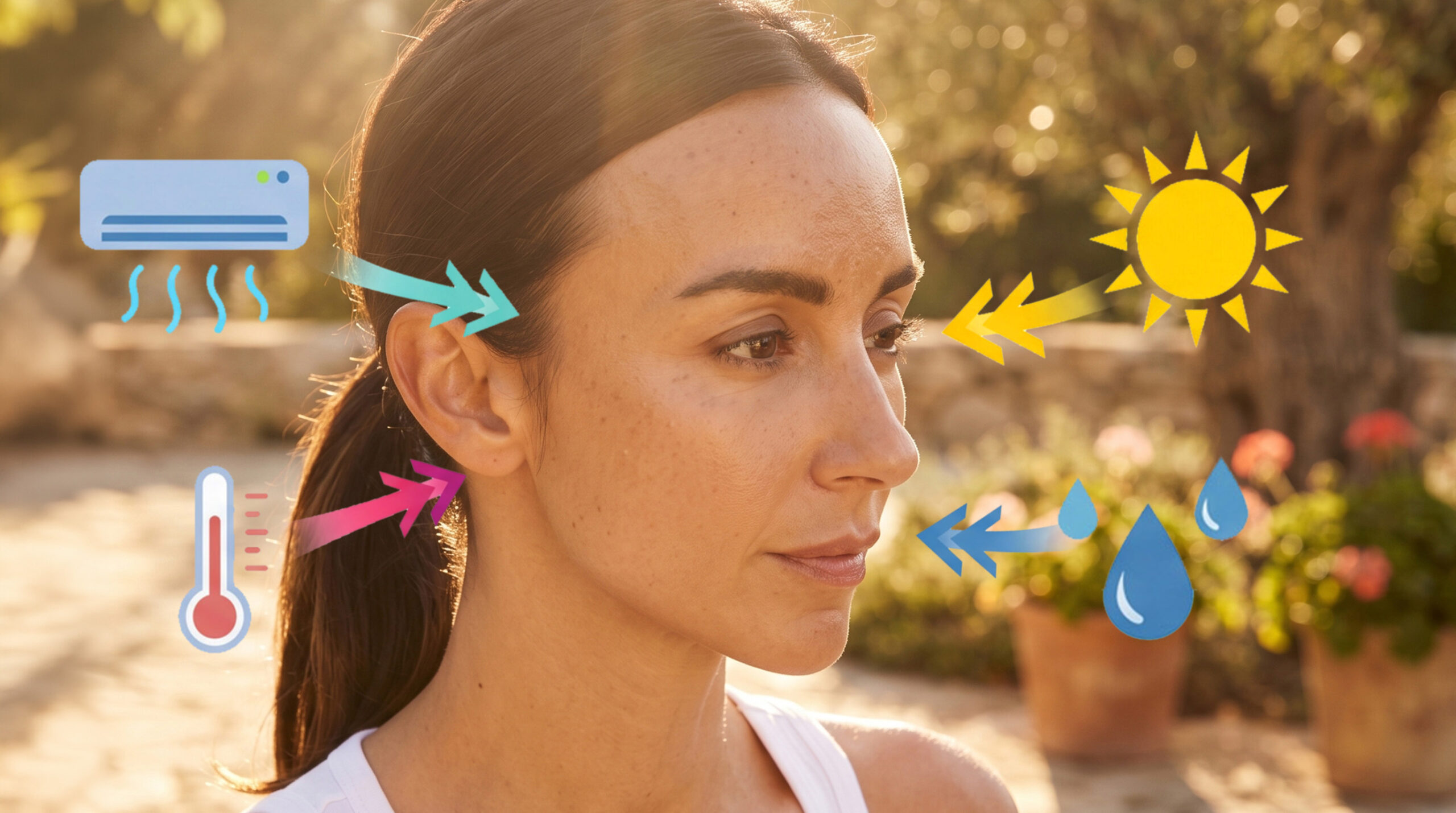
One of the most fascinating things about dermatology is that our skin tells a story. It reflects our genetics, but also decades of sun exposure, hormonal changes, inflammation and lifestyle. Two people of the same chronological age can have remarkably different skin. One may have relatively even pigmentation, good elasticity and healthy skin texture, while another has developed pronounced photodamage, vascular changes and significant collagen loss. Ultraviolet radiation is one of the most important external contributors to skin aging. Over time, it affects collagen, elastic fibres, pigmentation and cellular repair mechanisms. Hormonal changes and chronic inflammation can further influence skin structure and function.
This is why I have always considered skin aging a dermatological subject, not merely an aesthetic one. As dermatologists, we are trained to understand the skin as a living organ. We diagnose inflammatory diseases, pigmentary disorders, precancerous lesions and skin cancer. We understand how skin responds to injury, inflammation and environmental stress. And this knowledge is just as relevant when we treat the visible signs of aging. Before deciding how to improve the appearance of the skin, we should understand what is actually happening within it.
My Personal Approach: Prevention Comes First
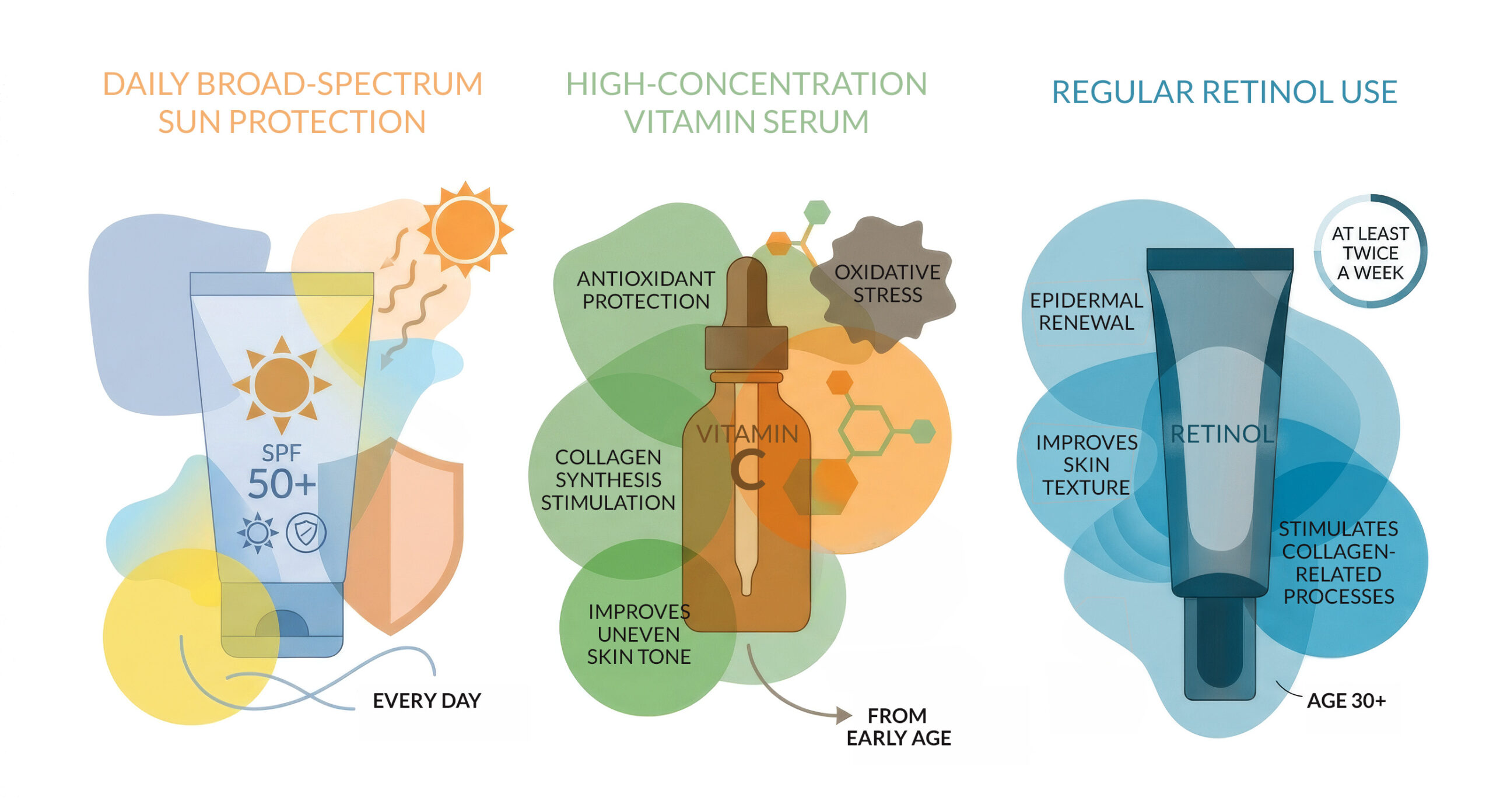
Patients often ask me what I do for my own skin, and I am quite open about it. I believe that maintaining healthy skin starts long before we consider a laser or an injectable treatment. For many years, three ingredients have been the foundation of my personal skincare routine, and they are also what I recommend as the basis of preventive skincare for both women and men: daily broad-spectrum sun protection, a high-concentration vitamin C serum and regular retinol use, ideally starting around the age of 30.
Sun protection is particularly important here in Mallorca, where UV exposure is part of everyday life. I use it consistently throughout the year, not just during summer holidays. Vitamin C is an important antioxidant that helps protect the skin against oxidative stress, supports collagen synthesis and can improve uneven skin tone. I believe it deserves a place in skincare routines from an early age, although the formulation and concentration should be adapted to individual skin needs. Retinol is equally valuable for supporting epidermal renewal, improving skin texture and fine lines, and stimulating collagen-related processes. I recommend incorporating it at least twice a week, adjusting the formulation and frequency according to skin tolerance.
These are not complicated measures, but consistency makes the difference. I have followed this approach for many years, and I regularly explain to my patients that good skincare is not about constantly changing products. It is about using the right active ingredients consistently over time.
I also pay attention to nutrition, physical activity and my general health. These habits matter for overall well-being and help create the conditions in which our skin can function and repair itself. But even the best skincare routine cannot prevent every biological change associated with aging. Collagen structure changes, skin elasticity decreases, hormonal transitions affect tissue quality and facial volume gradually shifts. This is where I believe modern aesthetic dermatology can make a meaningful difference.
Why I Believe in Combining Technologies
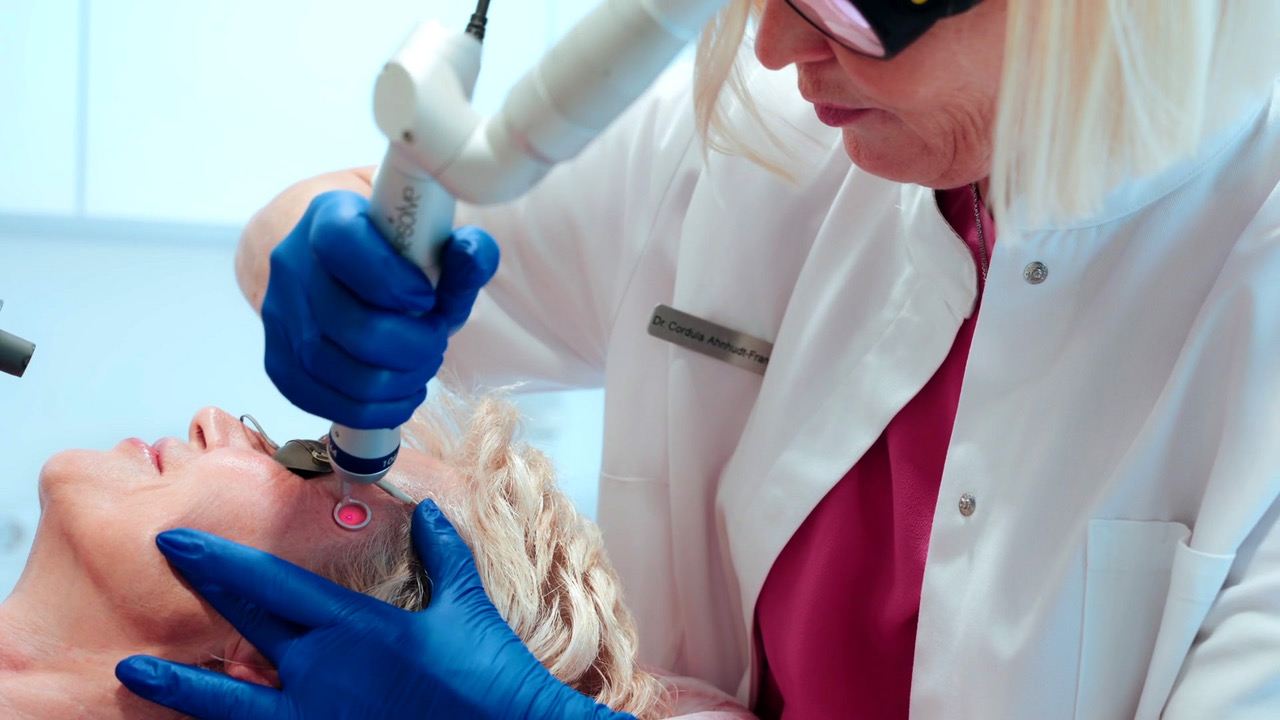
One of the most exciting developments in aesthetic dermatology is our ability to address different aspects of skin aging through different biological mechanisms. In my practice, I frequently combine laser and other energy-based technologies with injectable treatments. I also use selected approaches for my own skin. But combination treatment does not mean doing everything at once. It means understanding how different technologies complement one another and when a combination can achieve a better result than a single treatment.
Laser and light-based devices can address pigmentation, vascular changes, uneven texture and certain forms of photodamage. Fractional lasers stimulate controlled repair processes and collagen remodelling, while other technologies target specific structures within the skin. Injectable treatments work differently. Collagen-stimulating biostimulators can support gradual improvements in tissue quality and firmness. Hyaluronic acid fillers may restore volume where genuine volume loss has occurred, while neuromodulators can soften selected expression lines.
These treatments complement one another because they address different aspects of skin aging. A laser cannot replace lost facial volume. A filler cannot correct every pigmentation disorder or improve all forms of skin texture. And a collagen stimulator is not necessarily the right solution for every wrinkle. Sometimes the best result comes from combining a fractional laser with a collagen-stimulating injectable. In other cases, treating pigmentation or vascular changes may make a greater visible difference than adding volume. And sometimes no procedure is necessary at all.
For me, successful aesthetic medicine is not about using more technologies. It is about combining the right technologies for the right patient — at the right time.
Why Dermatology Makes the Difference
When a patient comes to see me because their skin looks older, I don’t simply look for wrinkles that could be filled or muscles that could be relaxed. I assess the skin itself. Is there significant photodamage? Are there pigmentary changes, chronic redness or visible vessels? Is the skin barrier compromised? Is there loss of elasticity, altered texture or evidence of collagen degradation? And importantly, are we dealing with normal age-related changes or a condition that requires medical diagnosis?
What appears to be a simple brown spot may be a solar lentigo, melasma or a lesion that needs to be examined for possible skin cancer. Persistent redness may be related to rosacea rather than simply visible vessels. These distinctions matter because different conditions require different treatments. This is where a dermatological approach goes beyond the purely aesthetic assessment of wrinkles and facial contours. We consider the health of the skin, its biology and its medical history before deciding which treatment is appropriate. Aesthetic treatment should never replace dermatological diagnosis.
Looking Better Shouldn’t Mean Looking Different
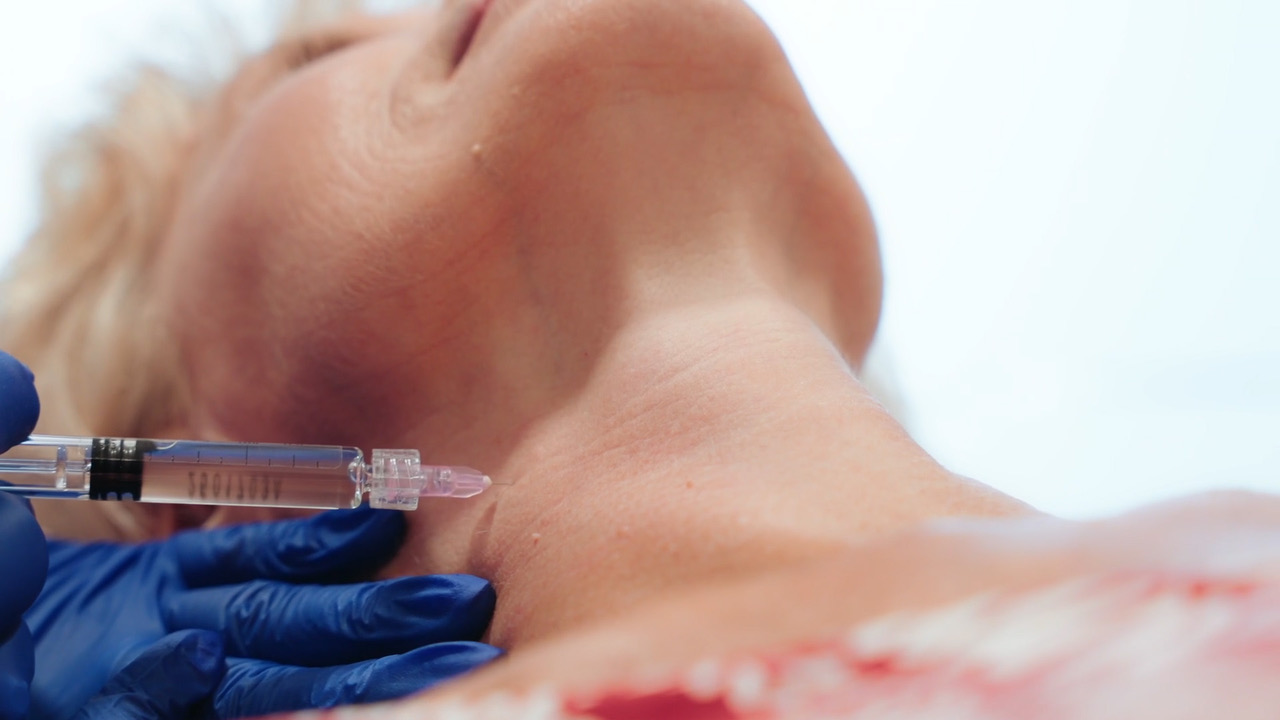
One development in aesthetic medicine that concerns me is the idea that every visible sign of aging needs to be corrected. A little volume loss becomes an indication for filler. Every wrinkle becomes something that should disappear. Every change in facial contour becomes another opportunity for treatment. But a face is not a collection of isolated problems. It is an individual combination of anatomy, expression, proportions and movement. When we treat every feature separately without considering the face as a whole, we risk losing precisely the characteristics that make someone attractive and recognisable.
I have always believed that good aesthetic medicine requires restraint. There is an important difference between improving someone’s appearance and changing their face. Sometimes a small amount of volume restoration is appropriate. Sometimes improving skin quality through laser treatment or collagen stimulation produces a more natural result. And sometimes the best decision is not to treat at all. For me, the most successful results are often those that other people cannot immediately identify as aesthetic treatment. The patient simply looks healthier, fresher or more rested, but still entirely like themselves.
What Modern Aesthetic Medicine Cannot Fix
Despite the remarkable developments in our field, there are limits to what aesthetic medicine can achieve. We cannot stop biological aging, permanently prevent collagen loss or recreate the skin of a 25-year-old in someone who is 60. We cannot completely reverse decades of environmental exposure. And no laser, injectable or surgical procedure can guarantee that someone will feel happier or more confident about themselves.
As physicians, we have a responsibility to discuss these limitations openly. Not every concern requires treatment. Not every requested procedure is medically or aesthetically advisable. And more treatment does not automatically mean a better result. Sometimes the most valuable recommendation is to do less. Knowing when not to treat is just as important as knowing how to treat.
Skin Longevity: Thinking Beyond Wrinkles
I believe the future of aesthetic dermatology lies increasingly in understanding and supporting the biology of skin aging. Instead of focusing exclusively on correcting visible changes, we are asking how we can preserve collagen structure, reduce the effects of cumulative UV exposure and inflammation, and support the skin’s natural repair mechanisms over time. This is the idea behind skin longevity. It does not mean stopping time. It means taking a long-term, medically informed approach to maintaining healthy, resilient skin.
For me, this includes regular dermatological examinations and skin cancer prevention, consistent photoprotection, evidence-based skincare, a healthy lifestyle and carefully selected medical treatments when they offer a genuine benefit. It also means accepting that healthy skin does not have to be wrinkle-free. Expression lines, natural facial movement and individual characteristics are part of who we are. The goal is not to eliminate them, but to preserve skin health and quality while allowing the face to age naturally.
Aging Gracefully Is a Personal Choice
I don’t believe there is one correct way to age. Some people prefer not to undergo aesthetic treatments. Others want to use modern medical technologies to maintain their skin quality or address changes that bother them. Both choices deserve respect. Personally, I choose to be proactive. I protect my skin, pay attention to my health and lifestyle, and use the medical treatments I consider appropriate for myself. I don’t do this because I am afraid of getting older. I do it because I value my health, enjoy taking care of myself and believe that prevention and well-considered treatment can make a meaningful difference over time.
And I see the same philosophy reflected in many of my patients. They are not trying to become someone else. They simply want to feel comfortable with the person they see in the mirror. For me, that is what aging gracefully means: not fighting every wrinkle, not chasing an impossible version of youth and certainly not believing that more treatment automatically produces better results.
Aging gracefully doesn’t mean giving up on your skin. It means understanding it, protecting its health and choosing medical treatments thoughtfully — without losing your individuality. Because the goal of good aesthetic dermatology should never be to make everyone look younger in the same way. It should be to help every person age in the healthiest, most natural and most individual way possible.