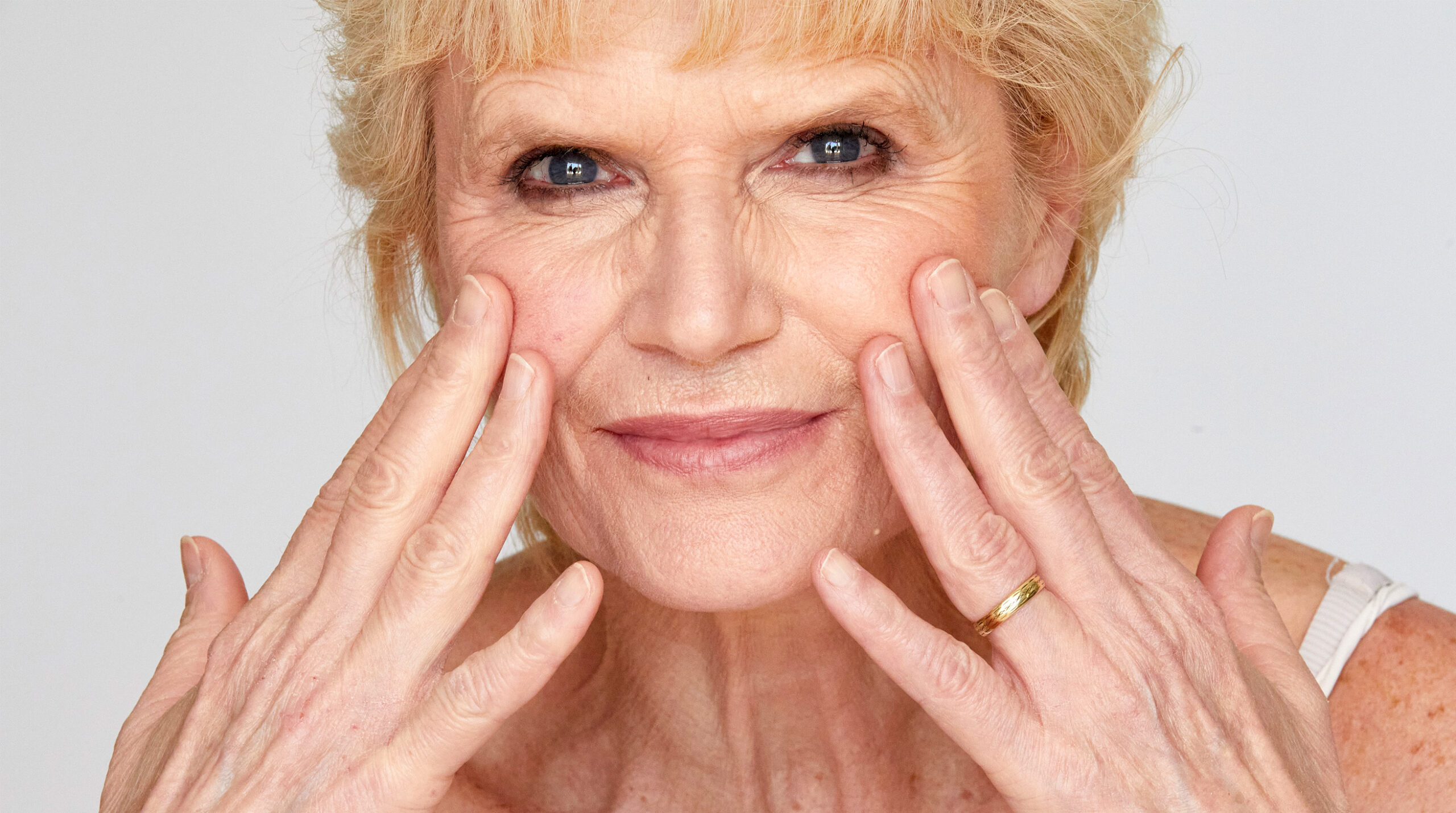
“I came back from summer and suddenly my skin looks older.”
We hear this surprisingly often at the end of summer and in early autumn.
The tan may still be there, but somehow the skin looks different. Pigmentation is more visible, fine lines seem deeper, the complexion looks less even and the skin feels drier and less resilient. Areas that looked fresh at the beginning of summer can suddenly appear dull or tired.
It can feel as if your skin has aged within just a few months.
Of course, it hasn’t.
What you are seeing after summer is often the visible result of several biological processes happening at the same time. Some are temporary consequences of heat, sun exposure, dehydration and changes in the skin barrier. Others reflect cumulative UV damage that has been developing quietly for years.
Early autumn is often simply the moment when we start to see it.
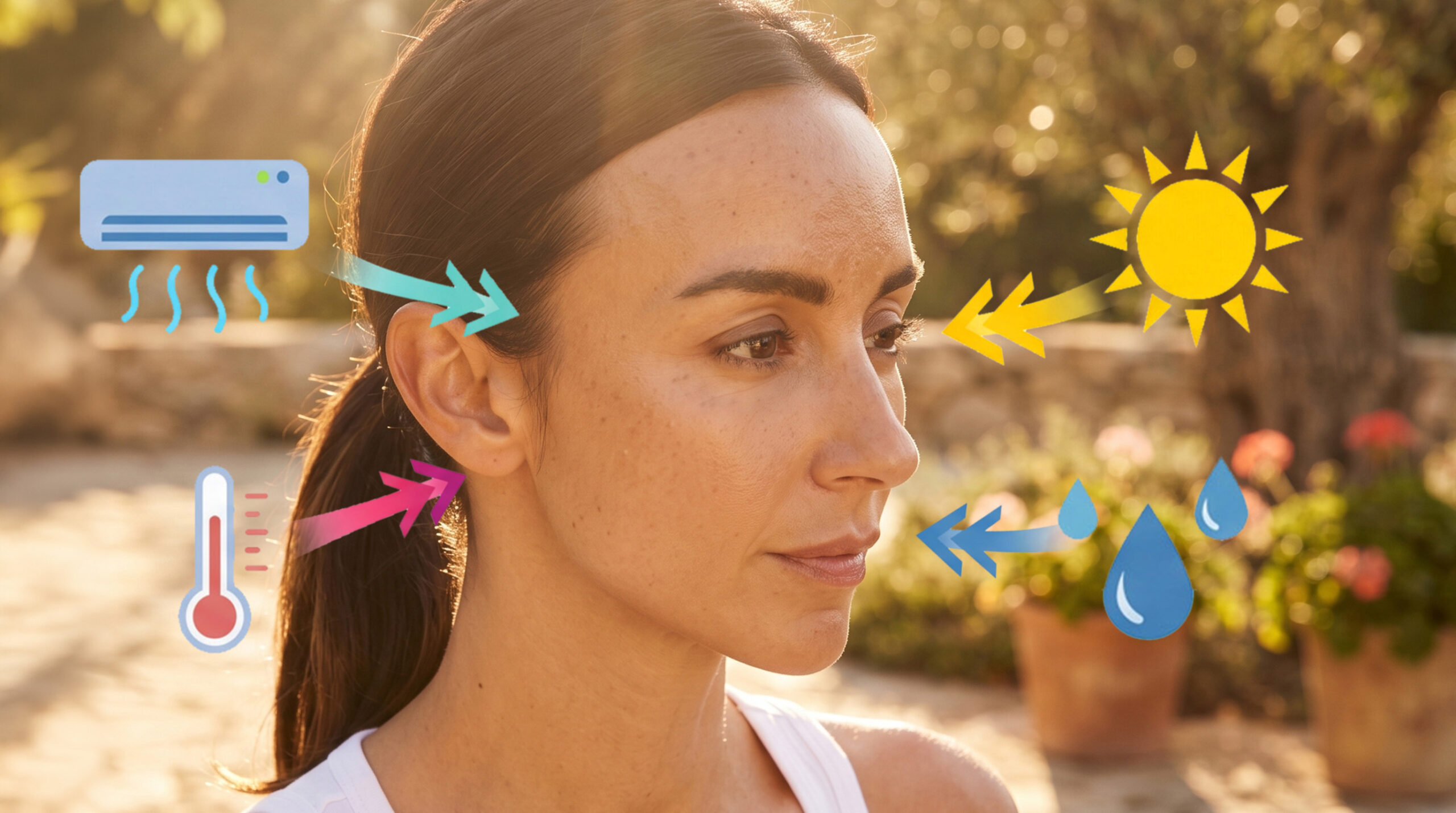
And after a long, exceptionally hot Mediterranean summer, the skin may need recovery more than we realise. Months of heat, increased UV exposure, air conditioning, swimming and sweating can leave the skin dehydrated and its barrier less resilient. At the same time, repeated sun exposure can make the outer layers of the skin feel rougher and more compact, while accumulated photodamage becomes increasingly visible.
This is why the first priority after summer is often not an aggressive treatment, but recovery: restoring hydration, supporting the skin barrier and allowing the skin to regain its normal balance.
Why Skin Can Look Different After Summer
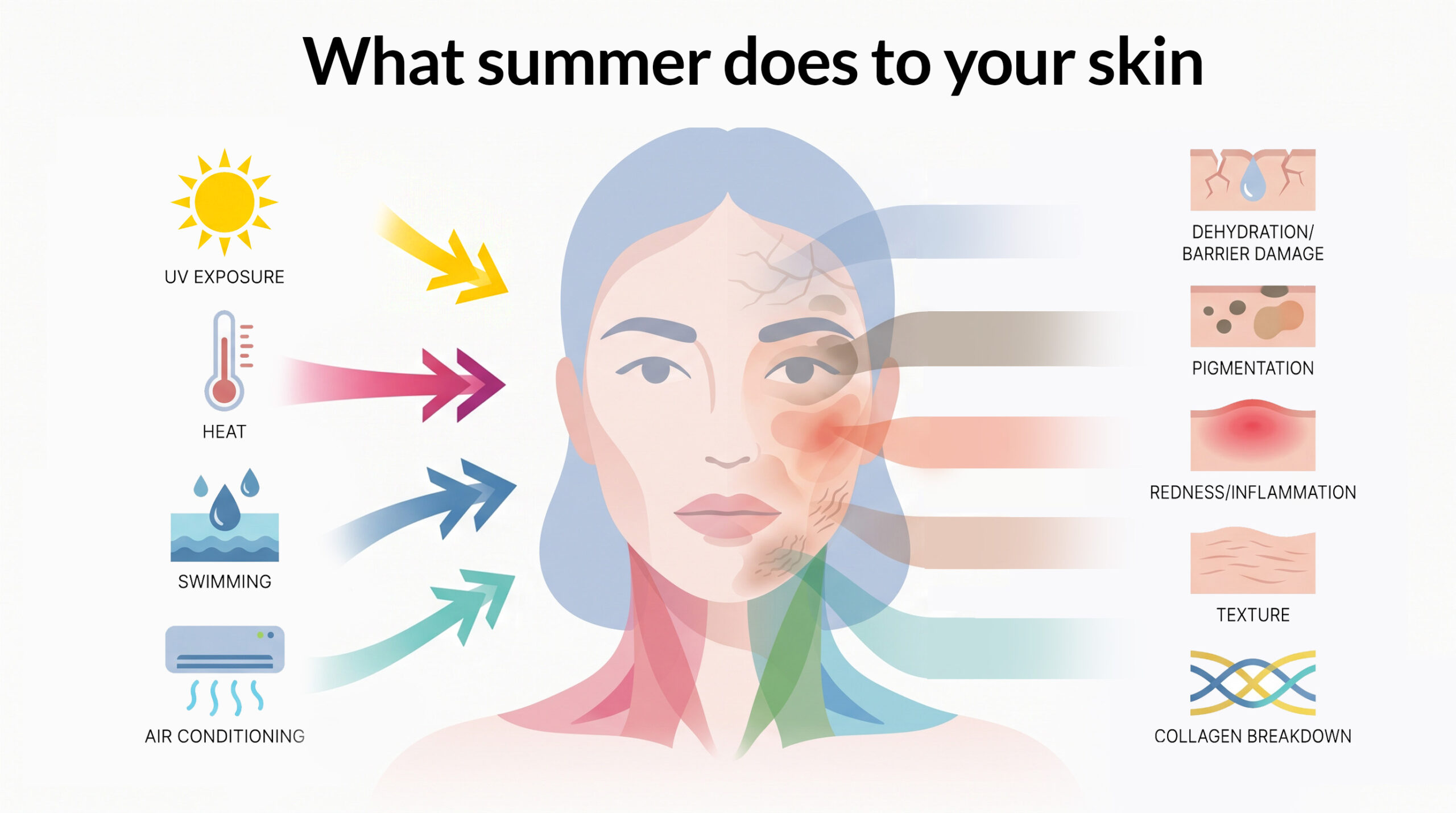
Summer creates a very particular environment for the skin. We spend more time outdoors, UV exposure increases, temperatures rise, we swim in the sea and in chlorinated pools, travel more, sleep differently and often change our normal skincare routines.
None of these things alone suddenly makes the skin “old”. But together, they can affect hydration, barrier function, pigmentation and inflammation, while repeated UV exposure continues to influence deeper structures within the skin.
By the end of summer, patients often notice:
- more visible pigmentation and uneven skin tone
- increased redness or visible vessels
- rougher texture and reduced glow
- dryness and dehydration
- fine lines that suddenly appear more pronounced
- skin that simply looks more tired
Some of these changes can recover relatively quickly, while others reflect structural processes that require a different approach. Understanding the difference is important.
The Tan Can Hide More Than You Think
One of the interesting things about summer skin is that it can initially look surprisingly good. A tan creates a more uniform colour and can temporarily make differences in pigmentation and skin tone less noticeable. Combined with that typical holiday glow, we may actually feel that our skin looks healthier during the summer.
But a tan is not a sign of healthier skin.
Tanning is a biological response to UV radiation. Melanocytes increase melanin production as part of the skin’s attempt to protect itself from further UV exposure. As the tan gradually fades, the underlying skin becomes visible again — and suddenly pigmentation irregularities, sun spots, redness and differences in texture may become much easier to see.
This is one reason many people feel that their skin has changed dramatically in early autumn. Often, some of those changes were already there. Summer simply made them more visible.
What UV Radiation Actually Does Inside Your Skin
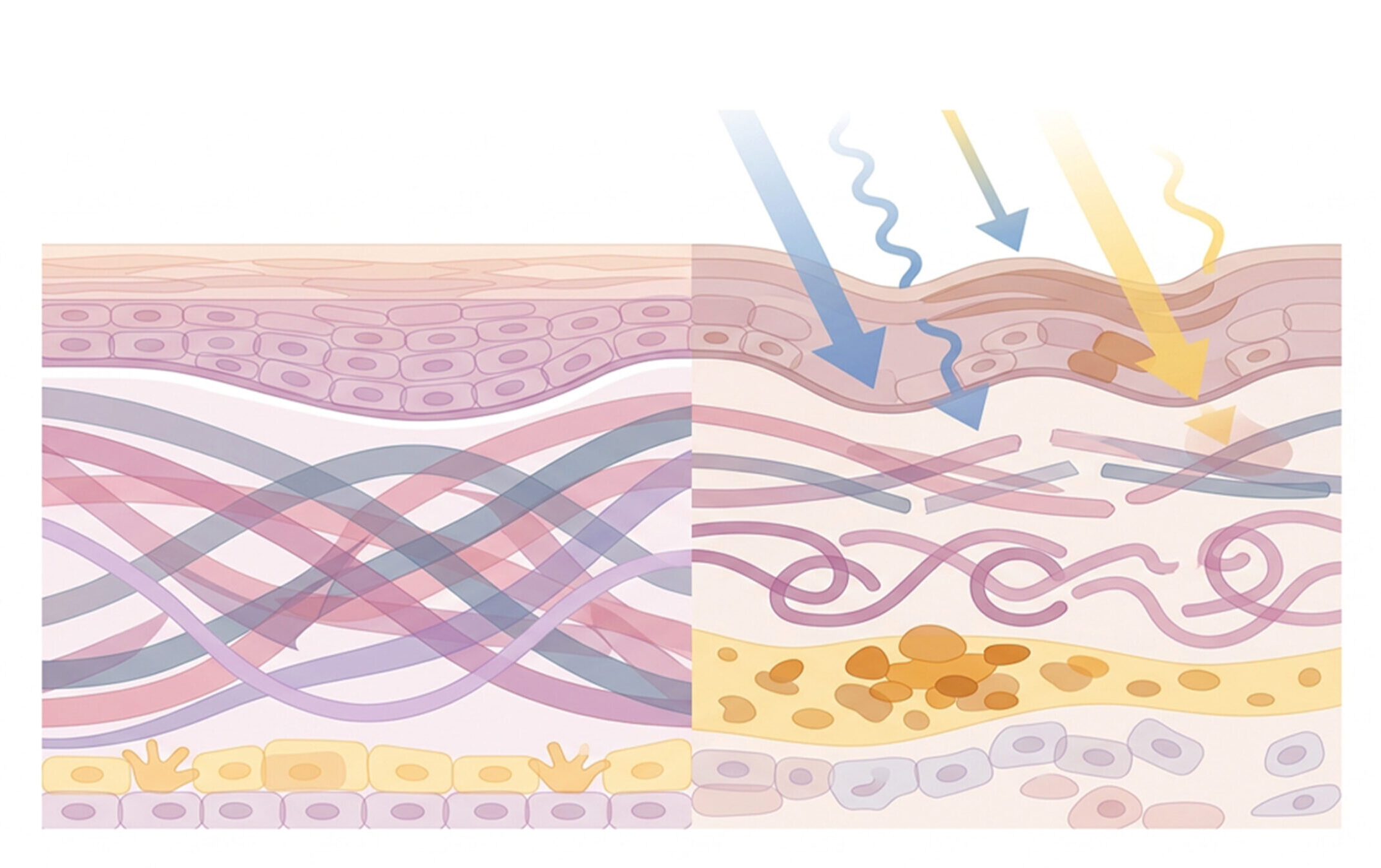
The effects of sunlight go much deeper than pigmentation. Repeated exposure to ultraviolet radiation creates oxidative stress and affects multiple biological processes within the skin. Over time, UV exposure contributes to collagen degradation, changes in elastic fibres, irregular pigmentation and alterations in cellular repair mechanisms. This process is known as photoaging.
One of the mechanisms involved is the increased activity of enzymes called matrix metalloproteinases, or MMPs. These enzymes contribute to the breakdown of components of the extracellular matrix, including collagen. At the same time, our ability to produce and organise new collagen gradually declines with age.
Chronic UV exposure can also alter the epidermis and the way its cells mature and renew. The outer layers may become thicker and more irregular, which is one reason chronically sun-exposed skin can feel rougher, less smooth and less luminous.
This combination of collagen degradation, slower regeneration and changes in the epidermis explains why cumulative sun exposure becomes increasingly visible as we get older. Photoaging therefore does not simply mean more wrinkles. It affects the overall structure, firmness, elasticity, pigmentation, vascular appearance, texture and resilience of the skin.
And importantly, UV damage accumulates. Our skin carries the biological history of the summers that came before.
Not Everything You See After Summer Is Permanent
This is the reassuring part. If your skin looks suddenly older after summer, it does not mean that everything you see represents permanent structural damage.
Dehydration alone can make fine lines significantly more visible. A disrupted skin barrier can make the complexion appear dull and rough, while prolonged heat and UV exposure can increase inflammation and redness. Travel, less sleep, air conditioning and changes in routine may contribute further to that tired appearance.
Many of these changes can improve. Restoring hydration, supporting the skin barrier and returning to a consistent skincare routine can make a noticeable difference within weeks.
But hydration alone cannot address everything we see after summer. Persistent pigmentation, sun spots, visible vessels, rough texture and signs of cumulative photodamage are not simply a question of dry skin. And deeper changes to collagen and the extracellular matrix cannot be reversed by moisturiser alone.
Autumn is therefore a useful time to distinguish between skin that simply needs recovery and changes that may benefit from targeted renewal and regeneration.
Autumn Is Also a Good Time to Look at Your Moles
There is another important reason to pay attention to your skin after summer. UV radiation does not only contribute to premature skin aging. It is also a major environmental risk factor for skin cancer.
After months of increased sun exposure, autumn is a good moment to consciously examine your skin. New lesions, changes in existing moles, areas that grow or bleed, persistent rough or crusted patches and wounds that do not seem to heal normally should be assessed rather than simply observed indefinitely.
For patients with many moles, significant cumulative sun exposure, a personal or family history of skin cancer or other risk factors, regular dermatological examinations and digital mole mapping can help document the skin objectively and identify relevant changes over time.
For us, skin cancer prevention and healthy skin aging are not two completely separate subjects. Both begin with understanding the biological effects of UV exposure and taking those effects seriously.
What Does Your Skin Actually Need After Summer?
There is no single “post-summer treatment” that every skin needs. But after months of heat and UV exposure, two things are particularly important: rehydrating and restoring the skin — and addressing the visible effects of accumulated sun damage.
Rehydration comes first when the skin feels dry, tight or sensitive. Barrier-supportive skincare, appropriate moisturisers and a consistent routine can help the skin recover from months of heat, swimming, air conditioning and increased environmental stress. Daily broad-spectrum sunscreen remains essential throughout the year, while antioxidants can support the skin in dealing with oxidative stress. Retinoids can improve cell turnover and support collagen-related processes when appropriate for the individual skin.
But once the skin has recovered, there may be more to address.
Repeated UV exposure can leave the epidermis rougher and more irregular, while pigmentation, vascular changes and collagen damage may have accumulated at different levels of the skin. This is where controlled skin renewal becomes interesting.
Pigmentation and sun spots may respond to IPL or pigment-targeting laser technologies, while persistent redness and visible vessels may benefit from vascular lasers or appropriate light-based treatments. But diagnosis always comes first. Melasma is not the same as a solar lentigo, just as rosacea is not the same as an isolated visible vessel. Treating what looks like “a brown spot” or “some redness” without understanding the underlying condition can lead to disappointing results.
When rough texture, fine lines and loss of firmness are the main concern, fractional laser technologies can create controlled microscopic stimulation within the skin, encouraging renewal and collagen remodelling. Different wavelengths penetrate to different depths and interact differently with tissue, which is why there is no single “best laser” for skin rejuvenation. The technology should always be selected according to the biological target.
For more pronounced photodamage, combining different approaches may be more effective than trying to solve every problem with one device. Pigmentation, vascular changes, epidermal irregularity and collagen loss occur at different levels and may require different treatment strategies.
The aim is not simply to “peel away” summer skin or to treat everything because we can. It is to identify what is actually affecting the health and appearance of the skin and then choose the least aggressive approach that can meaningfully improve it.
Before Laser Season Starts, Let the Tan Fade
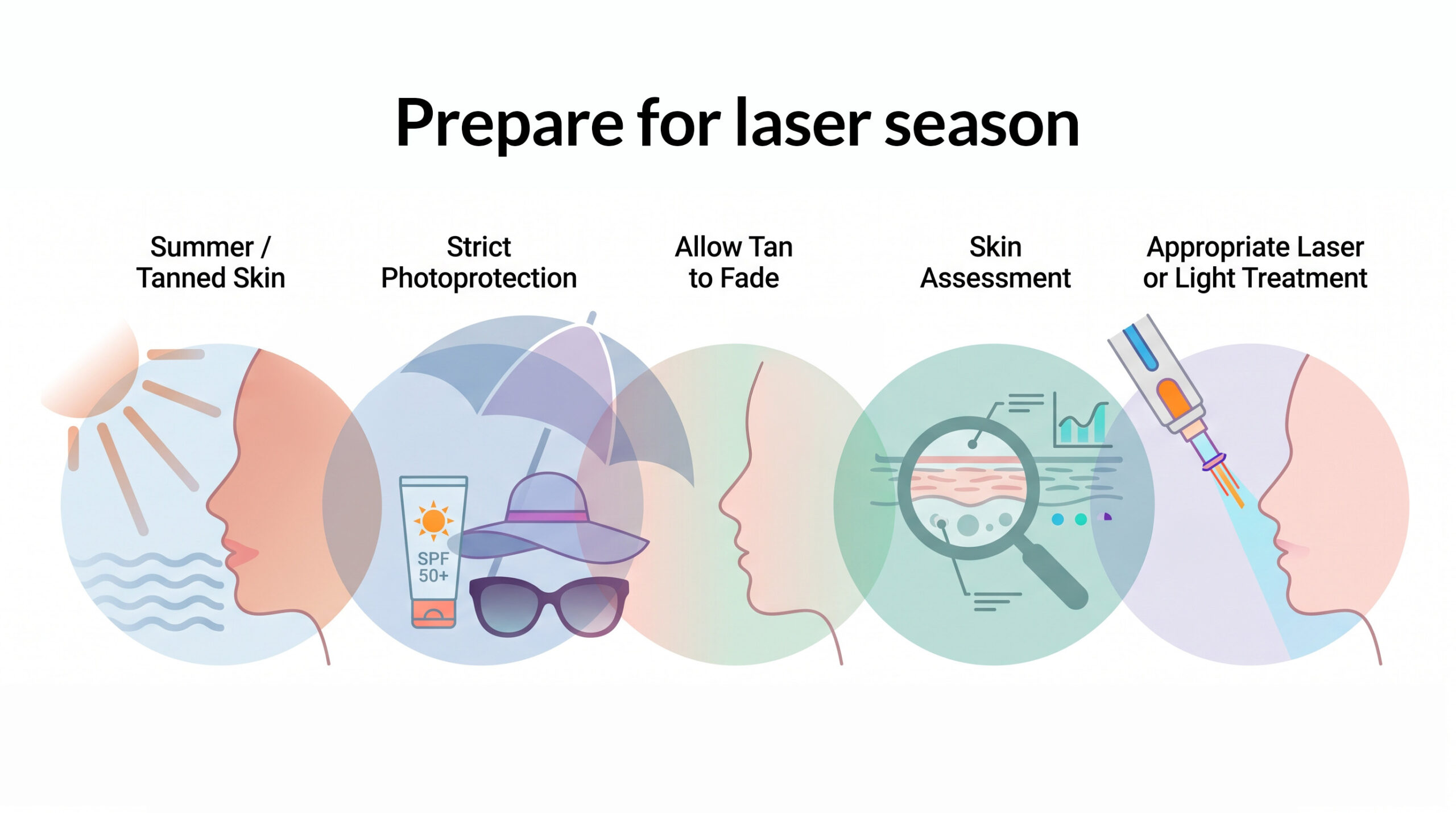
We often talk about autumn as the beginning of “laser season”, but that does not mean that the first appointment after your summer holiday should automatically be a laser treatment.
Here in Mallorca, many patients return in early autumn with skin that is still significantly tanned. This matters. Recently sun-exposed skin contains more melanin, and that additional pigment can interact with the energy delivered by certain laser and light-based technologies. Depending on the treatment, this may increase the risk of unwanted reactions, including post-inflammatory pigmentary changes.
Good laser treatment therefore starts before the laser itself — with correctly prepared skin.
As a general rule in our clinic, we recommend at least two weeks of particularly strict sun protection before starting many laser treatments. This means avoiding intentional tanning and significant direct sun exposure, consistently using high-level broad-spectrum photoprotection and giving the skin time to settle after a holiday or period of intense sun exposure. Depending on the treatment, the individual skin type and the degree of tanning, a longer interval may be necessary.
This preparation is not simply about being cautious. It also helps us treat more effectively. When the skin is no longer actively tanned or recently sun-exposed, treatment parameters can be selected more appropriately and, where medically suitable, effective settings can be used while maintaining a better safety profile.
Not everyone needs a laser, and not everyone needs the same laser. Sometimes the right treatment is hydration, barrier repair and time. Sometimes it is targeted treatment of pigmentation or vessels. And sometimes the priority is renewing skin texture and supporting collagen regeneration over the longer term — through laser-based treatments, regenerative approaches or collagen-stimulating biostimulators.
Autumn is therefore not only the beginning of laser season. Biologically, it is also a natural time to shift the focus from protection to recovery, renewal and regeneration.
Repair Rather Than Erase
Perhaps the most useful way to think about post-summer skin is not: “How can I undo summer?”
We cannot — and we do not need to.
Summer is part of life. We live outdoors, travel, swim, spend time with friends and enjoy the sun responsibly. Healthy skin aging should never mean avoiding life in order to avoid every wrinkle or pigment spot. Instead, it means understanding what happens biologically in our skin, protecting it where we can and supporting its ability to repair and regenerate over time.
So if you look in the mirror in early autumn and think your skin suddenly looks older, there is no reason to panic. Some of what you see may simply be skin that needs hydration, barrier repair and time to recover. Some may be accumulated sun damage that has become more visible. And some may be an opportunity to intervene early, while relatively small changes can still be addressed in a targeted and preventive way.
Healthy skin aging is not about erasing every sign of summer. It is about understanding what your skin needs now — and helping it remain healthy, resilient and strong for the years ahead.